Showing posts with label Yosa Buson. Show all posts

Sunday, September 8, 2013

The light of a candle (Yosa Buson)

Haiku is fun, no? Sweet, short poems - extremely distilled language - about poetic and poetry can be. Neh? I dunno. I have a fondness for them. Today's entry is a haiku by Yosa Buson.

It has superb visuals. It names the season. It links nature to a human experience. It wastes not a word. It uses a word's double meaning ("springs") to add a 2nd layer to the poem.


But, sadly, despite its key-on haiku-ic nature, I can't really get enthused about this poem. It doesn't strike me as interesting or unusual. It just seems fine to me. Technically, fine, but lacking spark (for me). How about for you?

Favorite line: "spring twilight"
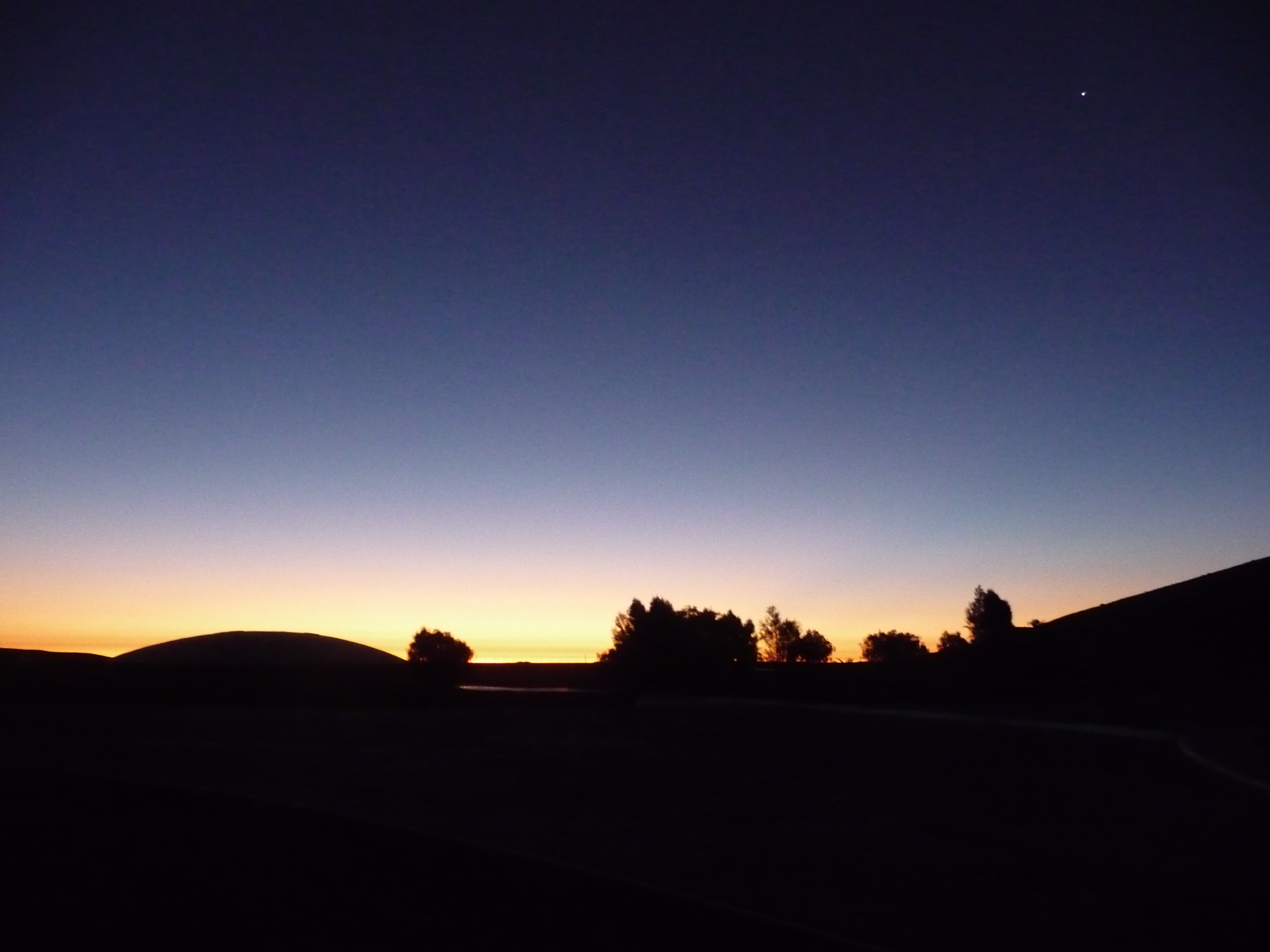
spring twilight.

Thursday, August 15, 2013

Four Poems (Yosa Buson)

Today's post is slightly unusual in that it is talking about every poem on the linked page. All four are by Yosa Buson. They have been translated from the Japanese, but I imagine that natively they are all haiku.

It's unusual to talk of poems in a grouping like they are here. But, um, they are all serene and picturesque. I think it's a haiku feature, but I like that for each one you know what season it is. Summer, autumn, frost.

My favorite is number 557. One's first step is a journey, all by itself. But also, since it's outside the gate, it's like leaving home and as the poem states, it's appropriately autumn. If you leave the gate of home, you're not a child anymore, so you are on the path to adulthood and old age and then death. Kind of like summer --> autumn --> winter. And not only is it wintertime, but it's evening (close of day) too. Sheesh, neh?

Favorite line: "I too am a traveller"

Sunday, December 6, 2009

The light of a candle (Yosa Buson)

Poets.org does not tell about Yosa Buson and I've never heard of him (her?) before this night. I wonder when Yosa lived and where. This is the only poem listed by him on the website. It's a haiku, which is a Japanese form of a strict number and patterns of syllables. 5, 7, 5 syllables.

This haiku does not follow that strict form. It is probably classified as such by poets.org because it is short, reads like haiku, and is concerned with nature. Of course, this is a translated poem. The original may very well have been in the proper syllabic counts.

What I like about this poem is that the last line throws you. The first two are extremely easy to understand, but that last takes a bit. I like that in the last line the word "springs" could have two meanings. It could be the verb, meaning jumps, or it could be the noun, being a season. I like it best as a verb, since it describes the action of passing on a flame from candle to candle.

Maybe it's the noun, though. In that case, I could see the transfer of fire being a birth of flame, a reiteration of fire. Birth and newcomings are very springlike.

Clever, clever. I like haiku for how condensed they are. It takes many paragraphs to (poorly) describe what happens in three lines of poetry. That's true great art.

Favorite line: "spring twilight"